Search our website
Call us FREE on
0808 196 6093
Open today 7am - 5pm

At Brown Recycling, we ensure your vapes and batteries are disposed of safely, responsibly, and in full compliance with environmental regulations.
We offer tailored containers and bespoke waste solutions for your specific vape and battery disposal needs, no matter the type, volume, and requirement, with coverage across Staffordshire, Cheshire and the Midlands.
Call our expert team on [ald_default calltag=false] or complete our Get a Quote Form with a few details of your waste requirements and we will get back to you as soon as possible with an accurate quote.

As the popularity of vaping continues to rise, the associated waste generated as
result from discarded vapes and e-cigarettes has become a significant concern in the UK.
As a consequence, the UK banned single use vapes effective 1st July 2025.
To help ensure the safe disposal of vapes and refills, we offer a simple all-in-one
vape container, suitable for both businesses and individuals needing to dispose of
their vape waste.
Features include:
Our Brown Recycling vape container ensures you and your business are
compliant with both the Hazardous Waste (England and Wales) Regulations 2005
and the WEEE Regulations 2013.
To take advantage of our one-size-fits-all vape service, give our friendly team a
call today. We can also talk you through your options for larger volumes of vape
waste.
Our Brown Recycling vape recycling solution caters for all sectors and businesses, from small vape shops and pubs to staff canteens in large businesses. Our aim is to make your vape recycling easy, efficient, compliant and environmentally friendly.
Once the vape container is collected, it is taken to an Approved Authorised Treatment Facility (AATF). At the facility, the plastic, batteries, metals and nicotine reservoirs are segregated from the vapes and all materials sent to the relevant facilities for correct treatment.

Batteries play an essential role in our everyday lives, powering everything from smartphones to electric vehicles.
It’s not always appreciated that used batteries must be disposed of properly, i.e. not in general waste, as they pose environmental and fire risks.
Lithium-ion batteries, as found in mobile phones and laptops, pose a fire risk if disposed of incorrectly. They are sensitive to high temperatures and physical damage. When a lithium-ion battery holds a residual charge the stored energy can pose significant risks if the battery is crushed, overheated or otherwise damaged.
Our battery disposal solutions ensure all your recycling compliance needs are met with a range of container sizes to suit your operations, from small-scale office battery collection bins to industrial grade drums. Our tailored containers are specifically designed to safely store and transport used batteries, minimising the risk of leaks, fire or environmental harm.
Safe storage and correct packaging is the most upmost important thing to do when disposing of batteries. Battery waste should always be stored in a cool, dry and well-ventilated area away from flammable materials and from physical damage, with any damaged or swollen batteries immediately.
Brown Recycling can support customers in ensuring all battery waste packaged and labelled correctly for transport, including taping terminals, individually wrapping batteries where required, pacing them in strong rigid containers with vermiculate and using UN approved packaging for hazardous batteries.
If you’d like to arrange a battery disposal service or take advantage of a FREE waste audit, contact us today.
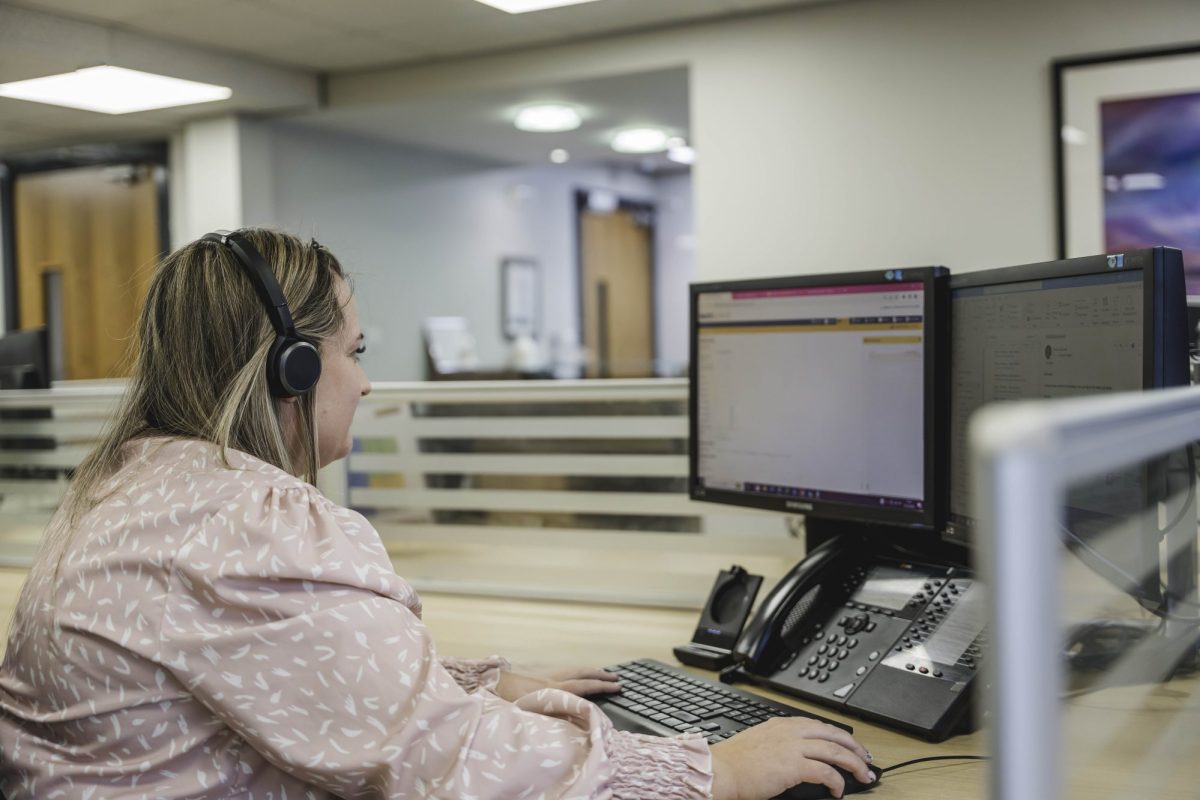
Our customer service team can be reached by phone or by email and will be happy to discuss your needs.

Common uses: Automotive, such as cars, motorcycles, trucks; backup power systems, such as uninterruptible power supplies (UPS) in hospitals, data centres, emergency lighting, alarm and communication systems; industrial applications, such as electric forklifts, scooters and wheelchairs.
Common uses: Household items including clocks, remote controls, smoke alarms and flashlights; portable electronics like radios, MP3 players and digital cameras; children’s toys and handheld gaming devices; personal care equipment including electric toothbrushes; industrial gear used in motion detection, scanning and precision testing.
Common uses: Consumer electronics such as smartphones, vapes, laptops, cameras or laptops; Electronic vehicles containing lithium-ion batteries as well as hybrids and other electronic transportation; Miscellaneous such as medical devices; power tools; vapes; robotics and energy storage for renewable energy sources, i.e. solar and wind power.
Common uses: Power tools; emergency backup systems; solar lighting; toys and remote-controlled devices; portable medical equipment; photography equipment; aviation systems requiring reliable backup power.
Collected vape containers are sent to an Approved Authorised Treatment Facility (AATF), where plastics, batteries, metals, and nicotine reservoirs are separated and forwarded to recycling facilities for repurposing.
We accept lead-acid batteries, typically used in vehicles. Whilst we don’t process other battery types, we can help you recycle alkaline, nickel-cadmium, and lithium-ion batteries safely. Get in touch with our team to find out how we can support you with responsible battery disposal.
Both disposable and reusable vapes can be collected. We would encourage consumers to separate their reusable vapes where possible including removing the liquid pods and battery into a specific battery collection bin if possible.
Batteries contain hazardous materials such as lead, mercury, and lithium. If disposed of in general waste, these substances can leak into the environment, contaminating soil and water, and harming wildlife. There’s also a serious fire risk as damaged or overheated batteries have been known to ignite in bin lorries or waste facilities.