Search our website
Call us FREE on
0808 196 6093
Open today 7am - 5pm
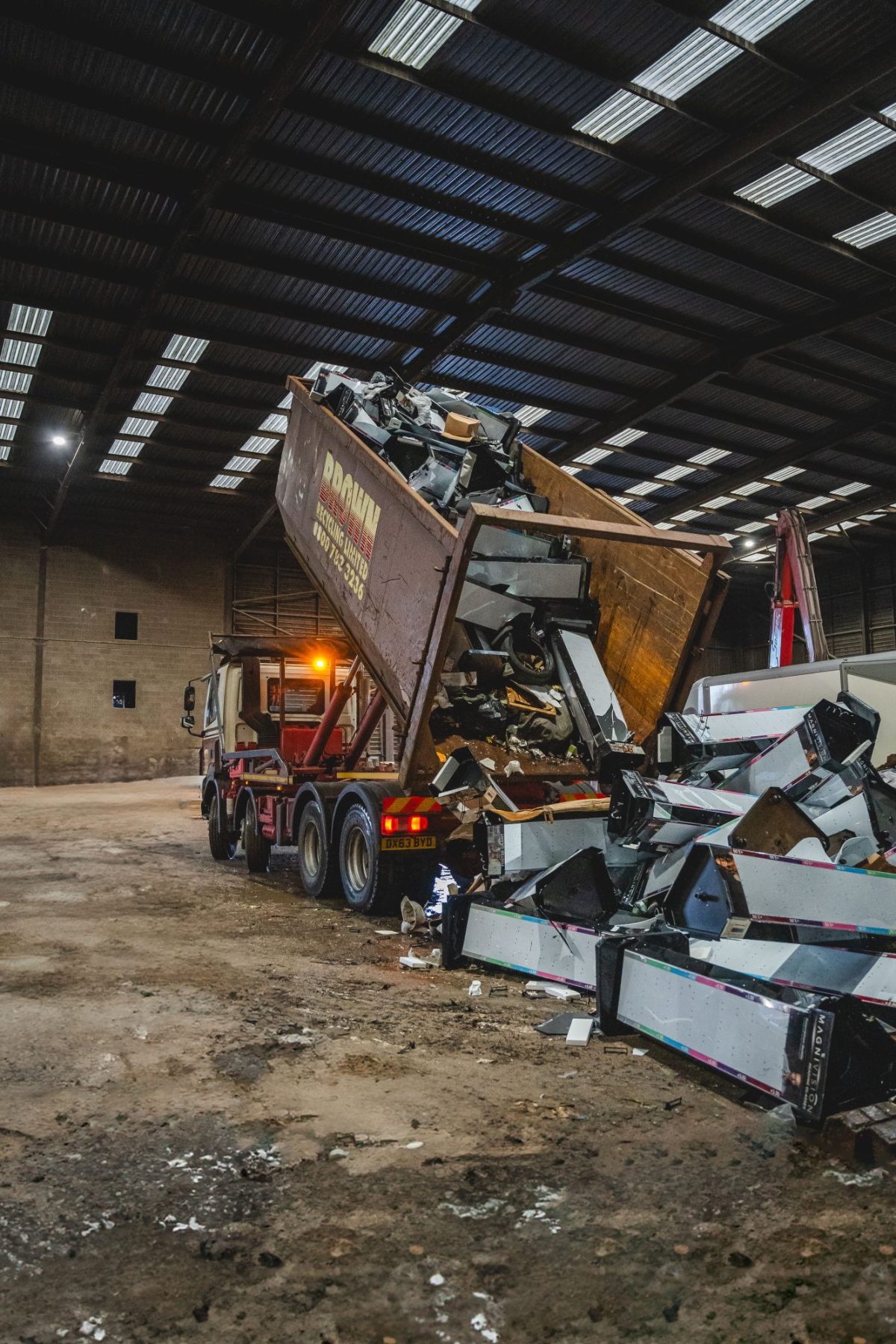
Our Waste Electrical and Electronic Equipment (WEEE) collection service ensures a hassle-free recycling process for all your discarded electrical items.
Call our expert team on [ald_default calltag=false] or complete our Get a Quote Form with a few details of your waste requirements and we will get back to you as soon as possible with an accurate quote.
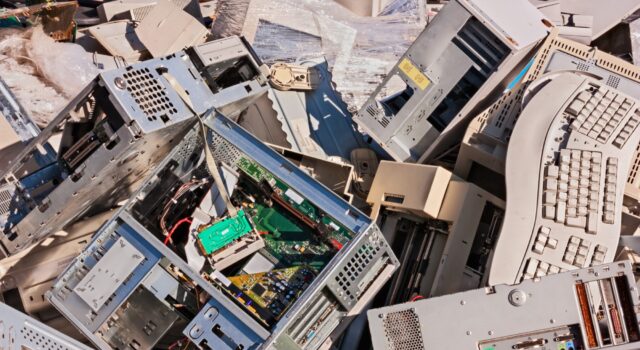
WEEE stands for Waste Electrical and Electronic Equipment and includes any item that uses electricity or electronic components and has reached the end of its useful life.
At Brown Recycling Limited, we provide a fully compliant WEEE collection and recycling service for businesses across Staffordshire, Cheshire and the Midlands. Based in Stoke-on-Trent, we help organisations dispose of electrical waste safely, legally, and in an environmentally responsible way.
Our WEEE services cover both non-hazardous and hazardous electrical equipment, ensuring correct storage, collection, treatment, and recycling in line with UK regulations. Not everyone is aware that there is a legal responsibility for all companies and organisations to ensure their waste electrical equipment is disposed of and recycled properly.
Our services are also available nationally for those with multiple sites or locations across the country. With our expert WEEE recycling services, we can help to protect the environment and push the UK towards its green targets by keeping electrical waste out of landfills.
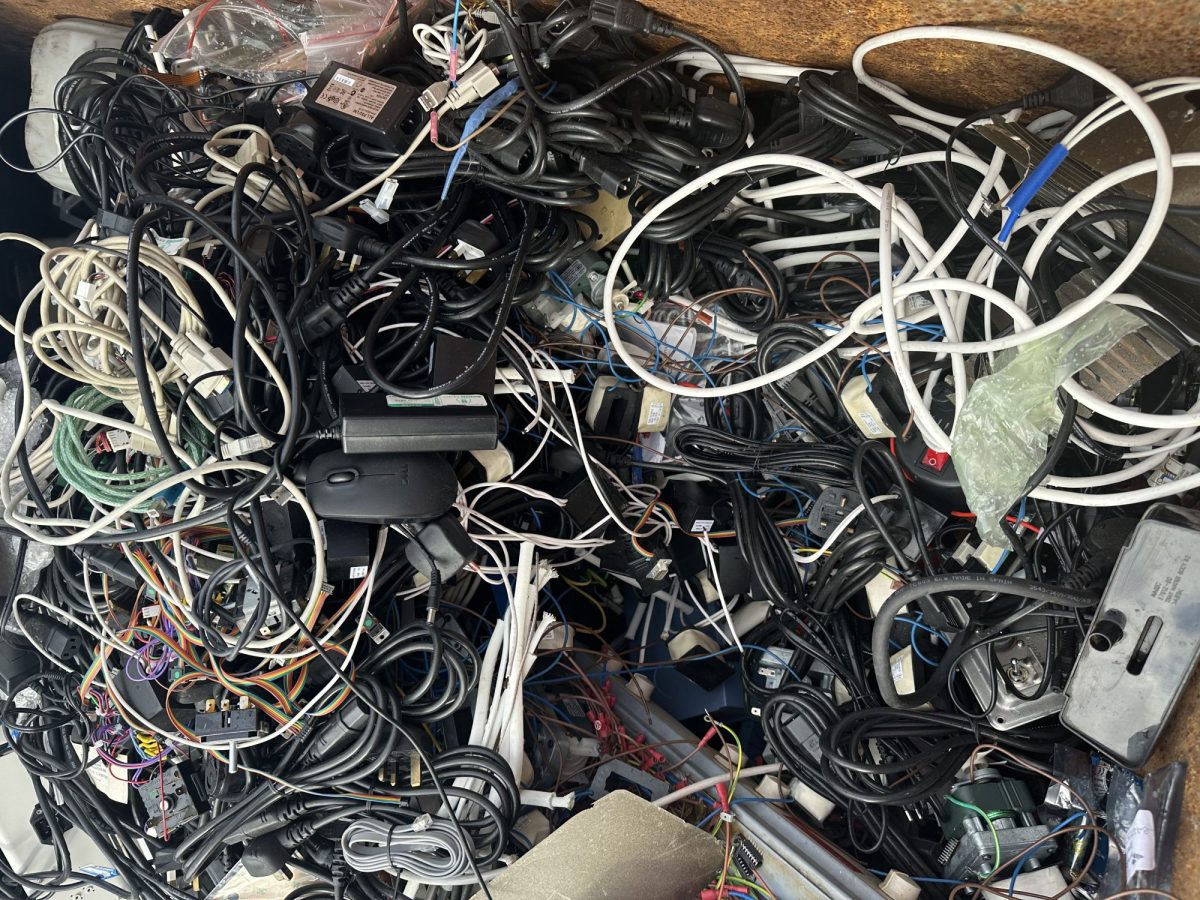
We collect and process all electrical equipment, which comes under WEEE legislation, including hazardous and non-hazardous items. Common types of WEEE waste include:
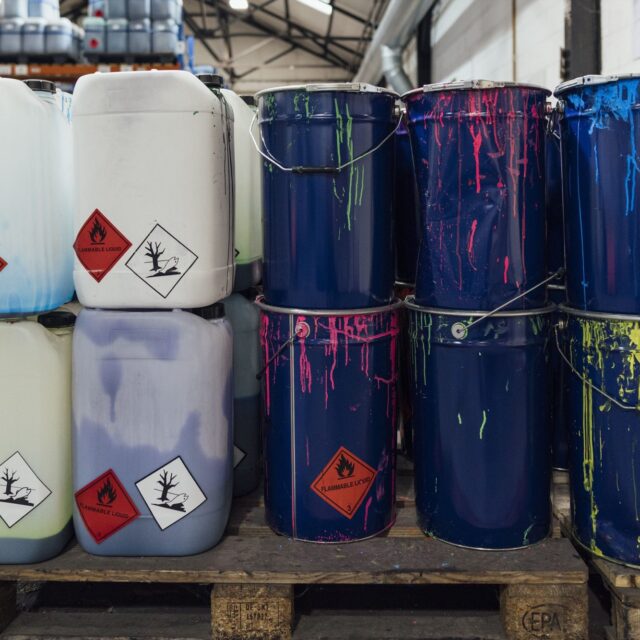
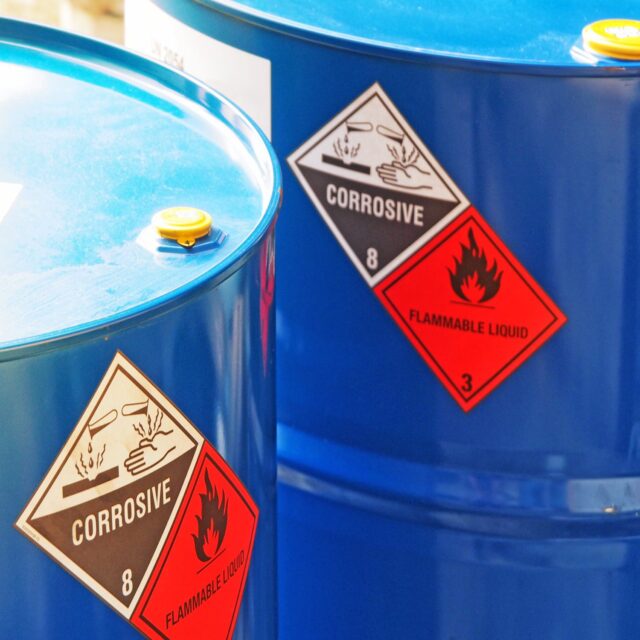
Some of these items may be classed as hazardous WEEE, as they may contain substances such as mercury, lead, refrigerants, gases or PCB-containing components. If released, these substances can cause environmental pollution and health risks, therefore adequate segregation, compliant transport and disposal is imperative.

WEEE waste is regulated under UK environmental law. Incorrect treatment and disposal can lead to:
Using a licensed waste carrier and approved recycling facility ensures your WEEE is handled safely and legally. Our friendly, professional team will provide an efficient and reliable WEEE equipment recycling service to ensure that you comply with regulations.
You’ll receive all the necessary paperwork and can rest assured your unwanted equipment will be recycled in line with the Department for Environment, Food & Rural Affairs (Defra) WEEE regulations. With our local and nationwide coverage, we can help you to safely and compliantly dispose and recycle you WEEE waste.
For more information about our electrical waste recycling services, simply contact us today or simply use our Get a Free Quote form for a quick price.
Waste Electrical and Electronic Equipment (WEEE), also known as e-waste, describes electrical and electonic items. There is a legal responsibility for all companies and organisations to ensure their waste electrical equipment is disposed of and recycled properly.
Some WEEE waste can be classed as hazardous waste if it contains certain substances or pollutants. This includes things such as printed circuit boards, insulation foam, cables and cooling agents.
Examples of non-hazardous WEEE waste materials include:
As a waste producer, you have a legal Duty of Care to ensure that your WEEE waste is safely stored, collected by licensed carriers, transported to permitted treatment facilities, and properly documented in full compliance with regulations.
WEEE regulations were introduced in the UK to help combat the sheer quantity of electronic waste being disposed of in landfill sites where there is a risk of pollutants and contaminants entering the natural environment.
You can find your SIC (Standard Industrial Classification) code by checking the government website. This is required for your consignment note for moving hazardous waste.
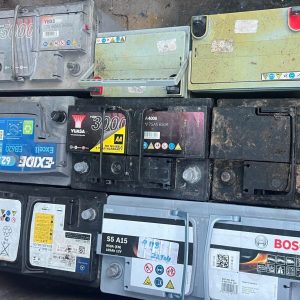
Yes, certain items and their batteries can be included in WEEE waste. We can accept mobile phones and their batteries, as well as lithium-ion and lead acid batteries, but electrical and electronic tools must be without the batteries.