Search our website
Call us FREE on
0808 196 6093
Open today 7am - 5pm
Recycling is moving quickly from ‘best efforts’ to ‘best possible’, and the shift is being driven by smarter data, tighter quality expectations and rapid innovation, all with the help of AI in waste management.
AI is already starting to reshape how materials are identified, captured and marketed, so the next few years can be transformative for the industry. At Brown Recycling, we’re always focused on better outcomes and how technology can boost recycling efforts, and this article explores just a few ways AI in recycling could really make an impact, looking at where smart recycling systems could go next.
With the industry being asked to capture more, with higher quality and precise reporting, AI is moving from a nice-to-have to become a standard, challenging the status quo in three main ways:
Let’s look at those in slightly more practical terms and explore how AI is increasingly being applied in the waste management process.
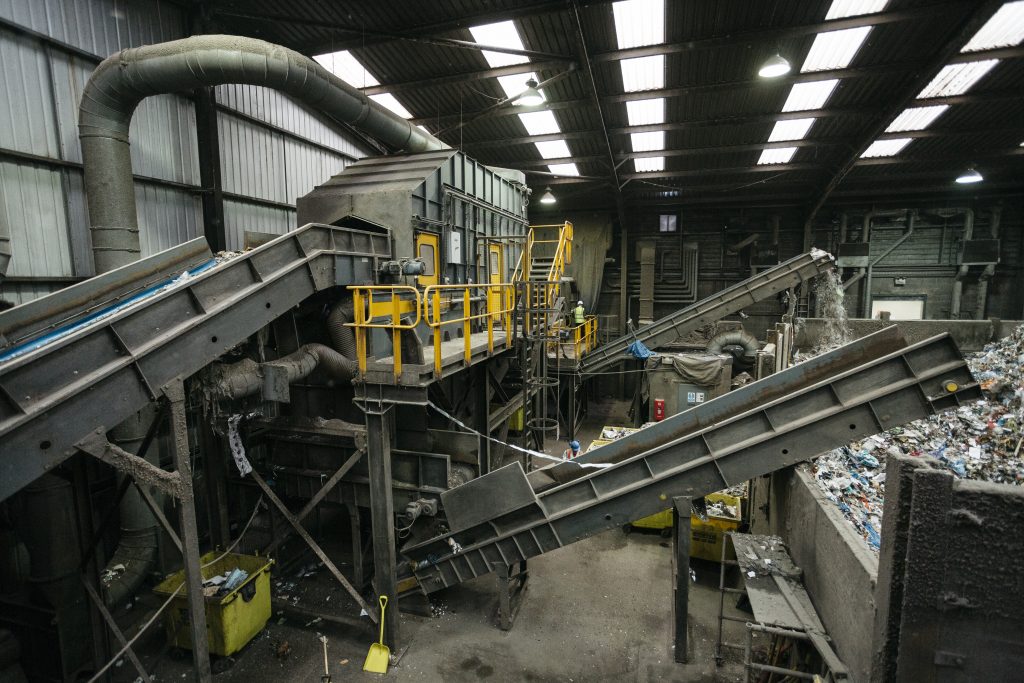
The current challenge: Manual picking limits and mixed streams.
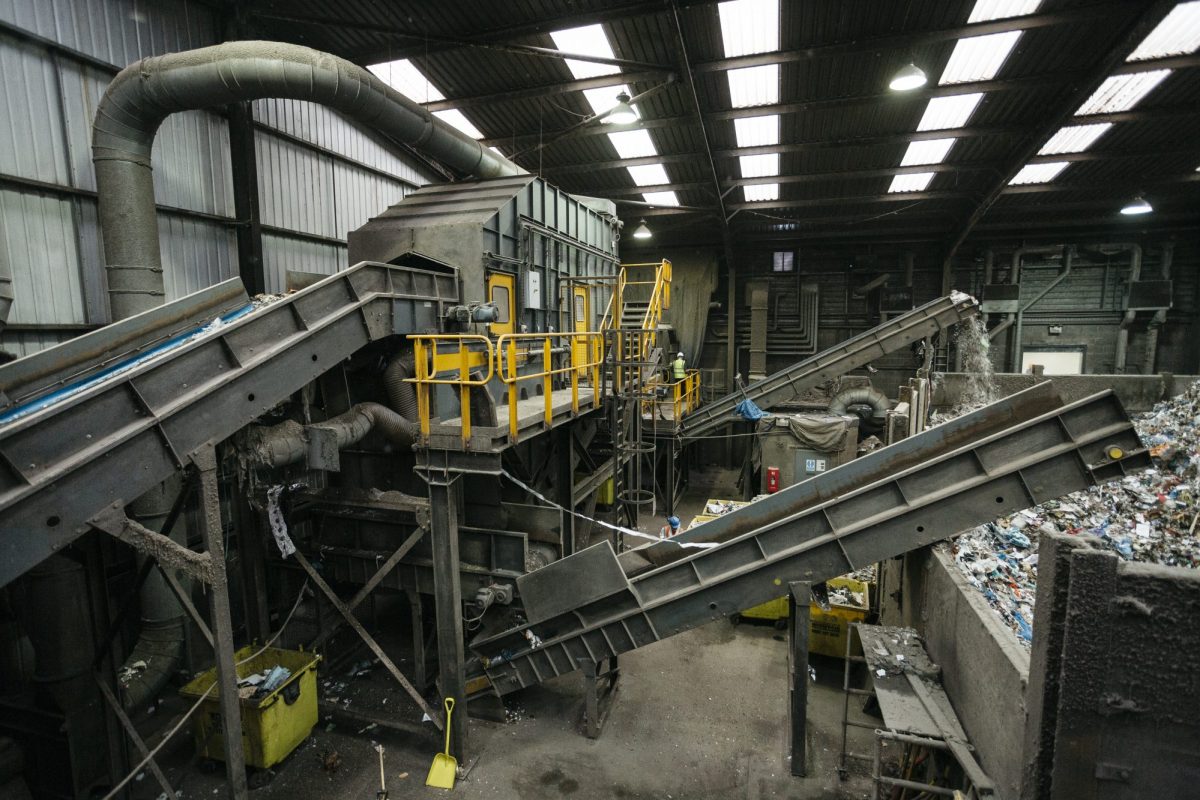
What AI Offers: With cameras and sensors using AI capabilities to see items on a conveyor, these systems quickly identify, classify and separate out materials in real time to capture value.
How it improves outcomes: Higher capture rates, with recyclables picked correctly at Material Recovery Facilities (MRFs), mean fewer missed items and lower cross-contamination. The AI should spot the problem items and divert them before they can downgrade the entire load.
The current challenge: Providers are juggling variable inputs and machinery uptime, processing whatever the day delivers.
What AI Offers: AI is used to help coordinate equipment to respond, such as conveyors, screens, magnets and optical sorters, keeping lines flowing smoothly at all times. These systems will then adjust for what’s coming down the line.
How it improves outcomes: Because the AI can flag potential bottlenecks and knows capacity levels, it can recommend where line-speed and staffing needs adjustment, helping to reduce disruptive downtime. The reduction here is in operational waste, with the automation providing efficiency and consistency gains.
The current challenge: End-market specifications for recycled materials mean that quality is non-negotiable.
What AI offers: AI can inspect bales and output for unwanted materials, colour mix or residual contamination. The automated technology can easily provide better specification matching for recycled commodities and trace the causes of contamination within a stream or collection route where it appears.
How it improves outcomes: The real gain here is in valuable, clean and well-sorted materials. This makes it easier to get predictable recycled content as a manufacturer or packaging producer, enabling a more closed-loop process while meeting quality demands.
The current challenge: Interventions in processing and collecting waste are often reactive and can take time to flag.
What AI offers: Spotting patterns and analysing them – including the site type, product lines and collection schedules – AI can flag any streams that are likely to be contaminated. From here, it can recommend targeted intervention and plan changes to maximise recyclable material.
How it improves outcomes: As well as a higher capture rate for valuable recyclables, there are potential savings in waste management costs. That’s because there will be less last-minute reworking of plans if the technology can predict outcomes in advance.
The current challenge: Service expectations, along with carbon reporting and transport costs, add pressure to deliver maximum value and efficiency.
What AI offers: In this instance, the AI uses live and historical data, including traffic, access restrictions, site opening hours and vehicle capacity, to create the most efficient collection schedule each day.
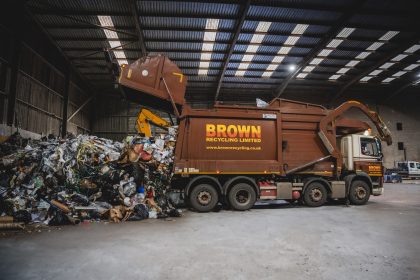
How it improves outcomes: AI-driven planning predicts and sequences smarter stops, with the right vehicle assigned to the best routes. Recycling performance is improved as vehicles are on time for each collection and able to take higher volumes of waste to depots, which means even better recovery rates and energy from waste.
As innovation in recycling technology continues, the greatest wins will come from the ability to pair these smarter systems with strong, on-site segregation. Backed up by data, we expect to see constant improvement in recycling rates.
At Brown Recycling, we already help businesses across Staffordshire, Cheshire and the Midlands with tailored recycling services. We offer waste audits that provide practical advice and guidance on how to cut contamination and costs — get in touch to learn more or to arrange your waste management audit.
Jordan is a marketing professional with a degree in Broadcast Journalism and a CIM qualification in Professional & Digital Marketing. With over a decade of experience in B2B and B2C multichannel campaigns, Jordan has led projects across both digital and offline media. Outside of work, Jordan enjoys football, theatre, live music, and all things pop culture.