Search our website
Call us FREE on
0808 196 6093
Open today 7am - 5pm
If you’re a UK manufacturer, hazardous waste is not simply a by-product of your daily operations. It’s an important part of your site safety, environmental responsibility and compliance as a business.
At Brown Recycling, we regularly work with businesses in the manufacturing sector that want waste management to be practical, compliant and cost-effective. This month, we’re exploring what hazardous waste is, why it matters and how to manage it with confidence.
Whether you’re a factory manager or a compliance officer within your operations, we want to help you to create a clear approach to dealing with hazardous waste in manufacturing.
In the manufacturing sector, hazardous waste is any waste material that could cause harm to people or the environment when not stored, handled, transported and disposed of correctly.
For many businesses, hazardous waste comes as a normal part of production, maintenance, cleaning or finishing processes during manufacturing. While this often means chemicals, solvents, paints, oils or even by-products, it can also be materials that seem routine, such as wipes, containers and personal protective equipment, which become hazardous once exposed to dangerous substances.
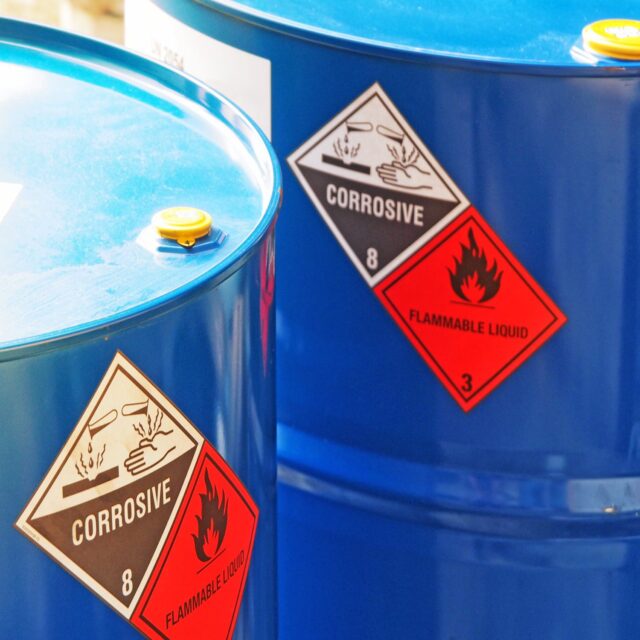
A material is considered hazardous if it has any of the following characteristics:
Scroll down to read some of the common hazardous waste types collected from manufacturing businesses.

The key point for any business reviewing its factoring and manufacturing waste management is that hazardous waste is classified according to its contents. Classification affects how the waste is separated, labelled, stored and disposed of, a crucial component in ensuring you achieve compliance with the Hazardous Waste (England and Wales) Regulations 2005.
Without proper handling of your hazardous waste, you risk:
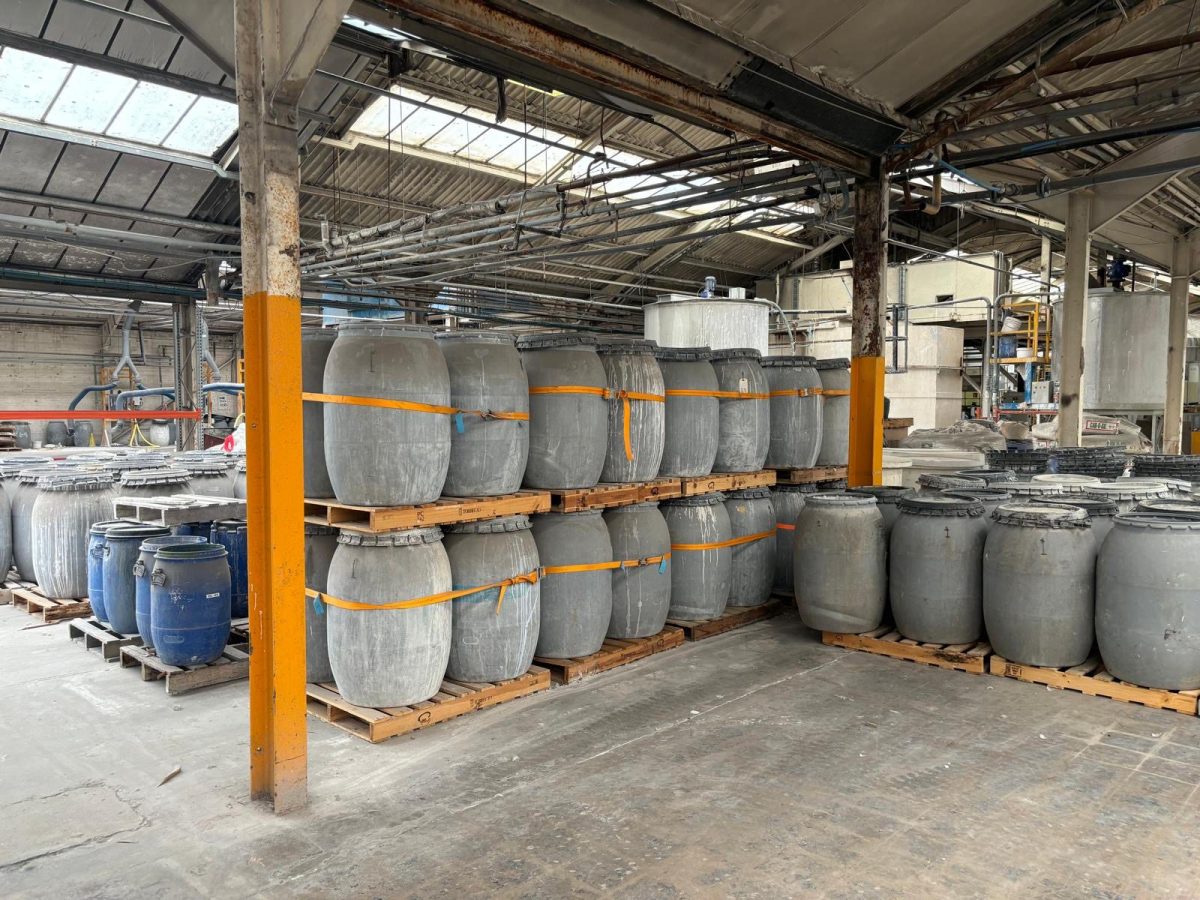
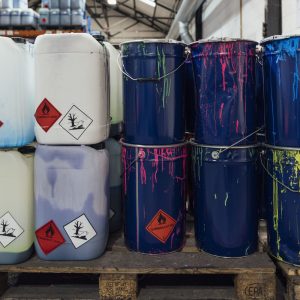
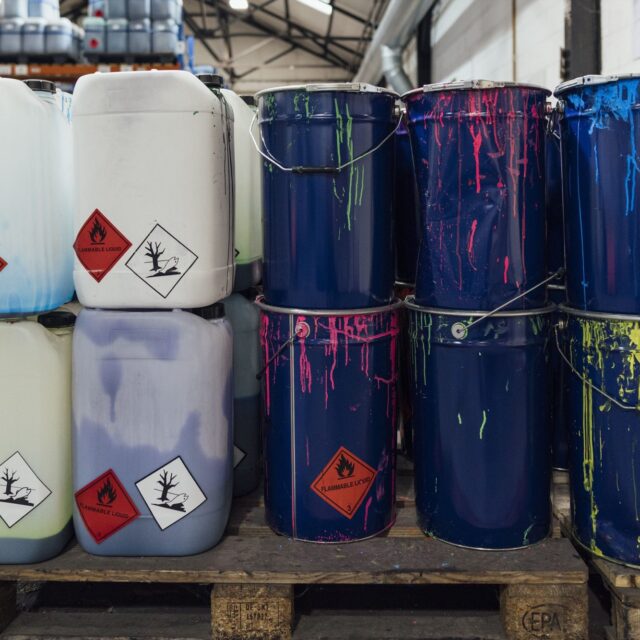
Every business is different, and the waste created varies by process, materials used and sector. You will need to identify each waste stream separately to ensure the right treatment and disposal route. The following are some of the common types:
These can be used or unused chemicals, along with residues. They should be kept in suitable containers, clearly labelled to prevent leaks and spills.
From hydraulic and engine oils to machine lubricants and residues from any maintenance work, these should be collected separately from other liquids. They should be stored in secure, sealed containers, not mixed with water, solvents or other general waste.
As volatile, flammable and toxic waste, paints, thinners, solvents and coating items should be kept away from ignition sources. Use approved containers and arrange for specialist disposal.
This includes any materials that have absorbed hazardous waste, such as wipes, spill kits, gloves and overalls. You must segregate this waste in suitable containers for collection and disposal.
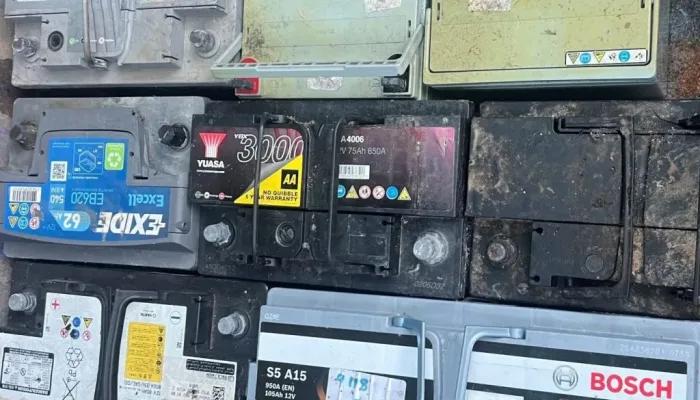
Manufacturing sites may have portable batteries, lead-acid batteries and electrical items as part of their waste. These items cannot be mixed with regular waste due to the hazards they pose, but they may be suitable for hazardous waste collection and industrial recycling services.
These are created during treatment, cleaning, finishing and production as a by-product. Composition can vary, so assessment and classification are essential before arranging for the right containment, collection and disposal method.
Manufacturers in England and Wales producing hazardous waste must correctly classify it using the WM3 guidance provided by the government. It should also be secured and stored in labelled containers, with incompatible wastes kept separate.
This, in part, is why it’s important to only use registered waste carriers, completing and retaining waste consignment notes along with any relevant records.
If you need a hazardous waste management partner for your manufacturing business to help you uphold your duty of care under UK waste law, reach out to our expert team at Brown Recycling.
We can help you to protect your employees and the environment thanks to our expertise in dealing with hazardous substances. Contact us today for technical advice and assistance or to get your free quote.
Regina is a digital content marketing specialist at Brown Recycling. Having spent almost four years at Brown Recycling, she has developed extensive waste management knowledge, with a particular focus on scrap metal. Away from the office, she enjoys going to gigs, keeping active at the gym and exploring new hiking routes.