Search our website
Call us FREE on
0808 196 6093

Open today 7am - 5pm
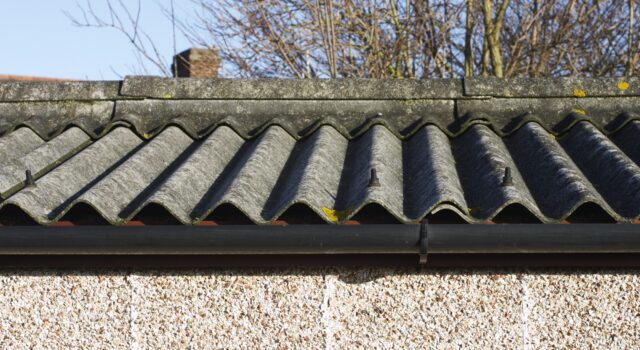
We provide an expert asbestos waste transfer service, handled by a fully certified team.
Call our expert team on [ald_default calltag=false] or complete our Get a Quote Form with a few details of your waste requirements and we will get back to you as soon as possible with an accurate quote.
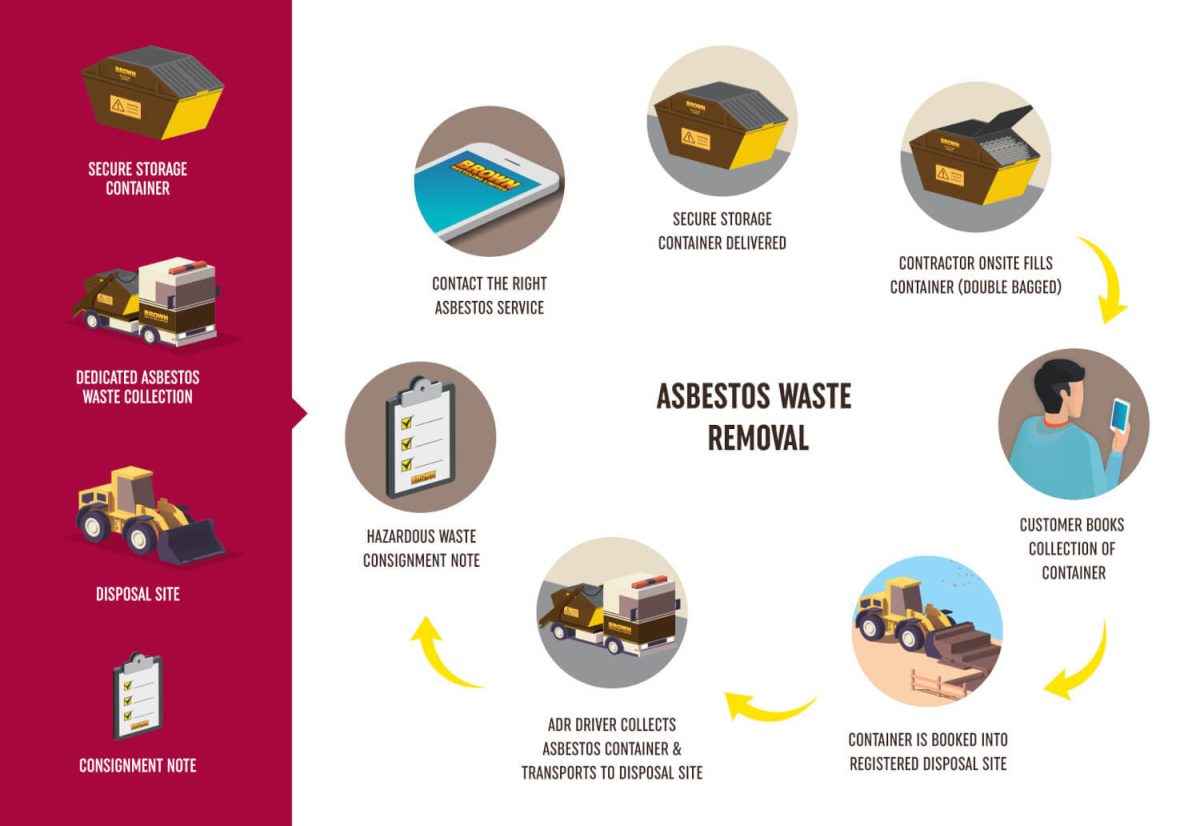

Asbestos must be handled with the utmost care when being removed, not only to comply with all regulations, but to also ensure the safety of everyone in the vicinity. Asbestos poses a serious health threat to people and the environment. It is therefore essential that it is handled correctly and disposed of by a licensed disposal company.
At Brown Recycling, we arrange compliant asbestos waste transfer across Staffordshire, Cheshire and the Midlands, with a dedicated team able to organise the safe disposal of your asbestos waste.
While we are not licensed to remove asbestos from your premises ourselves, we can help with the safe collection and disposal once it has been taken out by a trained and licensed specialist.
Our team is on hand to advise on the best way to dispose of your materials to ensure the safest and most compliant process possible for your hazardous waste. We can even provide national coverage if your operations extend across the country to other sites and locations.
You are legally required to secure and remove your asbestos materials, ensuring no one is exposed to the harmful substances that can be released into the air if asbestos is disturbed. Brown Recycling can organise stress-free asbestos waste transfer solutions locally and nationally.
The end-to-end process includes waste containment, packaging and documentation to safe and fully compliant transfer of your asbestos waste from your site as per regulatory standards.
If you’d like to find out more, contact our customer service team today and we’ll be happy to find the right solution for you.
Asbestos was banned in the UK back in August 1999. This made it illegal for it to be used or sold in any way. However, due to its wide use in construction before this, there are still many buildings containing asbestos today.
There are six types of asbestos split into two main groups. One is known as serpentine asbestos containing chrysotile and is typically white. This was the most used type of asbestos.
The other is known as amphibole, which can contain other minerals giving it a different colour, including blue and brown. When used, this group was far more hazardous to humans.
Identifying asbestos requires a professional asbestos survey. Though you may suspect asbestos in your building if its construction pre-dates 1999, the materials will need to be specifically tested with samples sent to a laboratory to confirm this.
Removing asbestos safely from your building is important as it is an extremely hazardous material that leads to thousands of deaths each year. The fibres in asbestos, when inhaled, can lead to asbestosis, lung cancer and mesothelioma.