Home » News & Advice » Lead By Example: Effective Waste Management Strategies for Schools
Lead By Example: Effective Waste Management Strategies for Schools
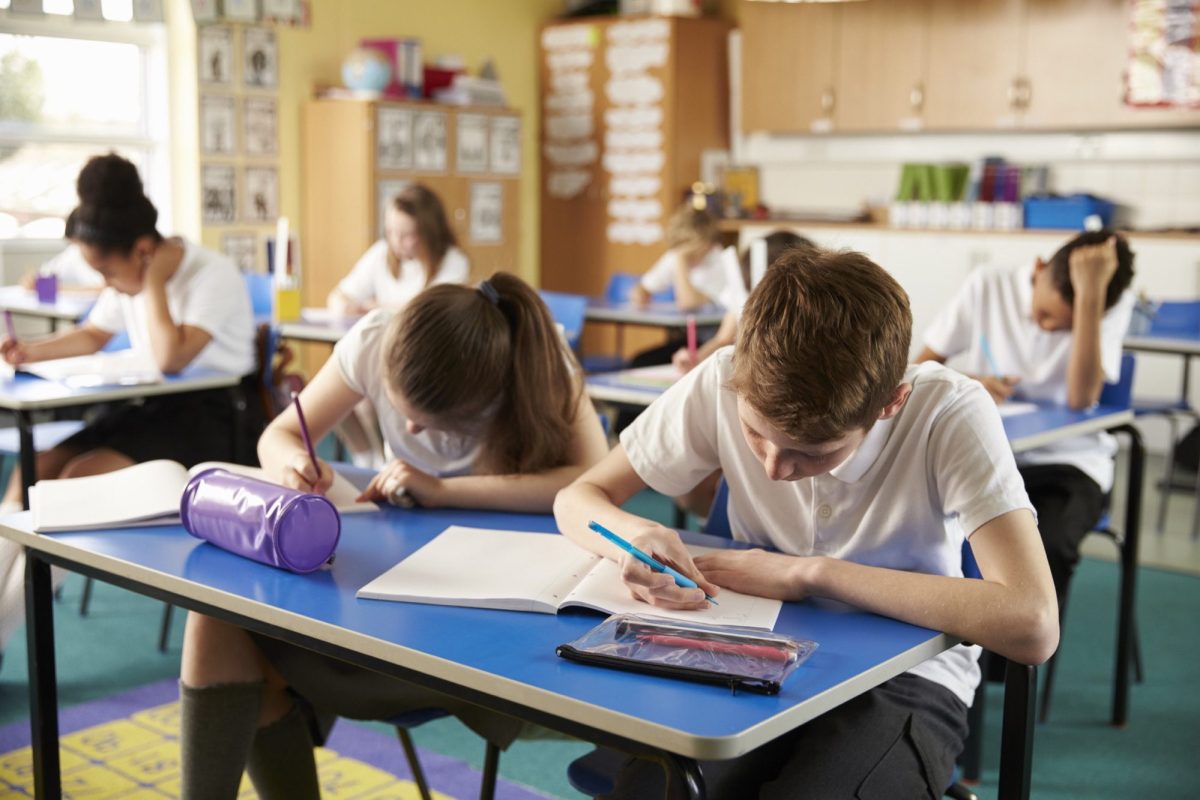
Not only does effective waste management within schools contribute to overall environmental sustainability, but it’s also a way to save funds that can be more effectively utilised in education.
Schools and universities are also the perfect places to set the right example for our future generations with a focus on recycling and protecting the environment. With this in mind, at Brown Recycling, we want to share our advice on how to approach waste management and reduce waste in the sector.

Examples of waste typically found in schools
A wide variety of waste is generated within schools due to their scale, but here are the typical materials that need to be managed on a daily basis:
- Paper and cardboard: Exercise books, worksheets, packaging materials. Schools generate large quantities of paper daily, making it one of the most significant waste components. Encouraging the use of digital platforms and double-sided printing can significantly reduce this and ensuring any necessary paper and card is fully recycled will have a positive impact too.
- Food waste: Leftover meals, kitchen waste, expired cafeteria supplies. Implementing a composting system can turn food scraps into valuable compost for school gardens.
- Plastics: Bottles, utensils, food containers. Single-use plastics can be replaced with reusable alternatives, and dedicated recycling bins can help manage plastic waste effectively.
- Glass: Jars, laboratory equipment. Separating recycling bins for glass ensures safe disposal and recycling of glass materials.
- Metals: Cans, foil, broken equipment. Metals can be recycled efficiently and easily and segregating them helps in reducing overall waste.
- Electronic waste (WEEE): Outdated computers, projectors. Schools often update technology, leading to significant electronic waste. Proper recycling and donations can manage this and take hazards from improper disposal out of the equation.
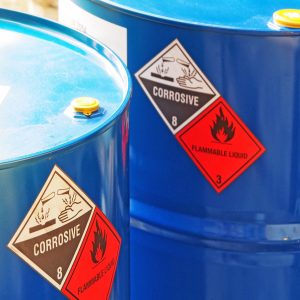
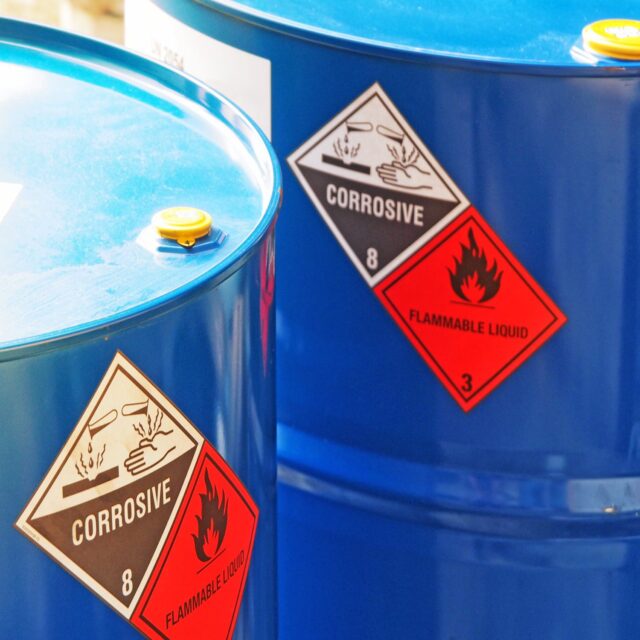
- Hazardous waste: Chemicals from science labs, cleaning agents. Safe disposal methods and dedicated hazardous waste containers are essential for managing this type of waste to reduce the risk to pupils, staff and the environment.
Which bin types should schools use?
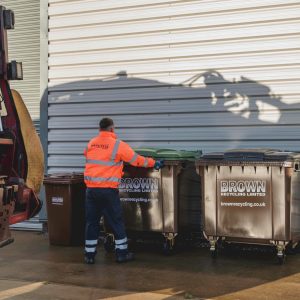
Given the mix and varying quantities of materials, schools will require several different bins to safely store and segregate waste on site ready for collection. These can include dedicated bins for::
- Food waste
- Paper and cardboard
- Metals and cans
- Plastic
- Glass bottles
- General waste
Conducting a waste audit for your school will help to identify which bin types you need, what size containers for each waste stream and whether you could segregate waste to improve your recycling rates and identify any cost-saving solutions.
It will also help ensure your school, college or university is set up for compliance with the new Simpler Recycling regulations coming into effect on 31st March 2025.
10 waste reduction techniques for schools
- Carry out a waste audit – As we’ve already mentioned, this is a great start to establish where your school can improve on waste management. This should assess all the waste your school creates to spot areas of focus for efficiency.
- Eliminate single-use items – From plastic cutlery and straws to paper towels, try and find alternatives that don’t risk ending up in landfill sites.
- Go digital – Schools go through hundreds of thousands of sheets of paper each year, from worksheets to letters sent to pupils’ parents. Switch to digital systems where possible – such as for record keeping – and you could seriously lower the amount of paper waste being created.
- Establish a recycling programme – Implement a comprehensive recycling programme with clearly labelled bins to make recycling simple for everyone in your school. Educate everyone on site about the importance of recycling and share the success of your programme.
- Start composting – Use organic waste to create a compost heap and you can save on buying compost and the cost of waste management at the same time.
- Engage your students – Get your students involved in recycling schemes to give them a greater sense of responsibility for their school’s green credentials.
- Conduct regular reviews – Set a regular review schedule for your waste management practices to see where you can make further improvements and celebrate any achievements.
- Opt for rechargeable batteries – Switch single-use batteries for rechargeable ones within devices that can take them.
- Think smarter when you print – If you still need to print out on paper, try to be smart with your primer settings and choose double-sided printing. This can halve the amount of paper you use, creating a huge reduction in waste.
- Donate unused items – When you have electronic equipment, books or sports goods you no longer need, try donating them to local charities and organisations to prevent them from going to waste.
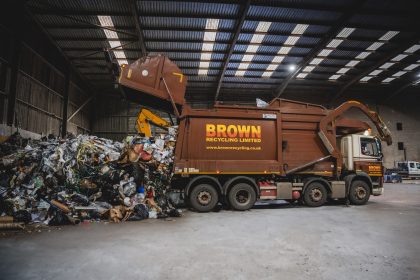
For further support and guidance on managing and reducing waste at your school, contact our team at Brown Recycling. We offer trade waste collection and recycling services across Staffordshire and Cheshire, helping your school meet recycling goals and save money that can be invested back into pupils.
Contact us today and or use our Get a Quote Builder form, we’ll be happy to assist you.