Search our website
Call us FREE on
0808 196 6093
Open today 7am - 5pm
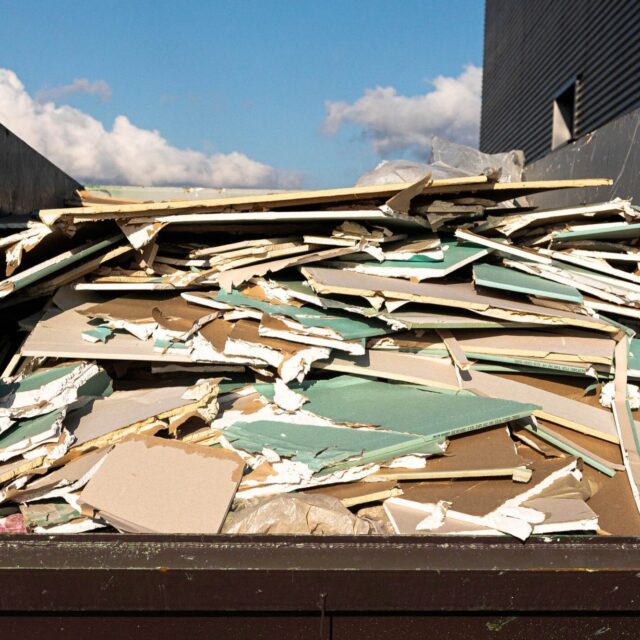
Home renovation or commercial projects can both produce lots of plasterboard which requires disposal. But many people aren’t aware that plasterboard has special disposal requirements or know how best it can be recycled. In this article, we aim to explain exactly how you can dispose of your plasterboard waste – easily and safely.
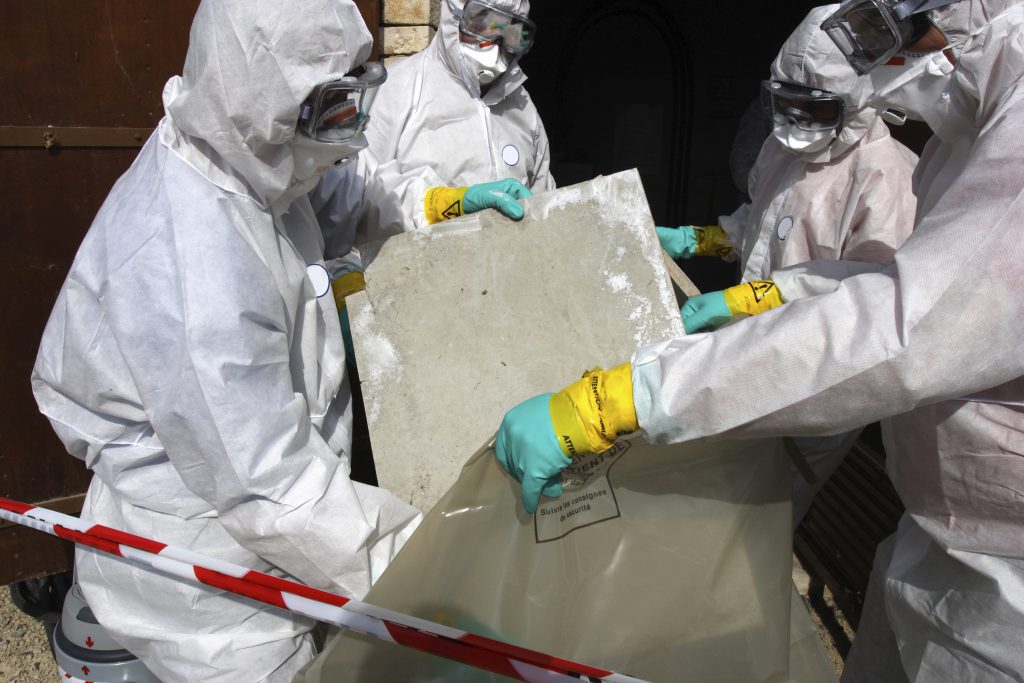
Plasterboard is not classed as a hazardous material, though it is officially banned from landfill sites – and has been since 2005. Not only that, but many skip hire companies, with the exception of a few firms, such as Brown Recycling, will not handle plasterboard. Because of these restrictions, many people have the misconception that plasterboard is dangerous – which is only true in certain situations and over a certain period of time.
The reason that many skip hire companies will not consider handling plasterboard is because it contains high amounts of gypsum e.g. sulphates. If plasterboard gets wet and is mixed with decomposing waste, a chemical reaction can take place to form the gas hydrogen sulphide. A sure fire sign of hydrogen sulphide build-up is an unpleasant odour of rotten eggs. If left long enough, this gas can build up and have poisonous or corrosive effects, which is why landfill sites have completely banned this substance.
However, this formation of hydrogen sulphide is a slow process than happens over time, and is therefore unlikely to affect waste placed in skips as it is often not kept there long enough for this to become a problem.
It does however have to handled separately so mixing it in with other materials in a skip must be avoided.
As plasterboard is non-hazardous, it can be recycled. At Brown Recycling, we ask customers not to mix their plasterboard waste with other types of waste, as recommended by the Environment Agency. We require our customers to separate plasterboard from their general mixed waste so that our specialists can handle it as a segregated waste stream, allowing for greater efficiency and safety.
Alternatively, your local council may be able to help collect and recycle any gypsum-containing waste. Contact them for more information.
Why does proper plasterboard disposal matter?
Proper plasterboard disposal is essential for environmental sustainability. Incorrect handling can also lead to increased costs through surcharges from your waste management provider having to handle contaminated waste loads. By ensuring the correct procedures are followed you can ensure environmental benefits as well as operational efficiency and cost savings for you or your business.
How do I dispose of plasterboard?
To help clarify the plasterboard situation, we have set out designated plasterboard disposal process that reduces the risk of contamination.
By using these designated disposal methods, you not only support environmental compliance but also help avoid additional fees associated with contaminated waste loads.
With over 80 years of waste management industry experience, we at Brown Recycling can offer tailored waste management services along with specialist management of tricker waste streams including plasterboard. Please contact us today to find out more about our comprehensive services.
Regina is a digital content marketing specialist at Brown Recycling. Having spent almost four years at Brown Recycling, she has developed extensive waste management knowledge, with a particular focus on scrap metal. Away from the office, she enjoys going to gigs, keeping active at the gym and exploring new hiking routes.