Search our website
Call us FREE on
0808 196 6093

Open today 7am - 5pm
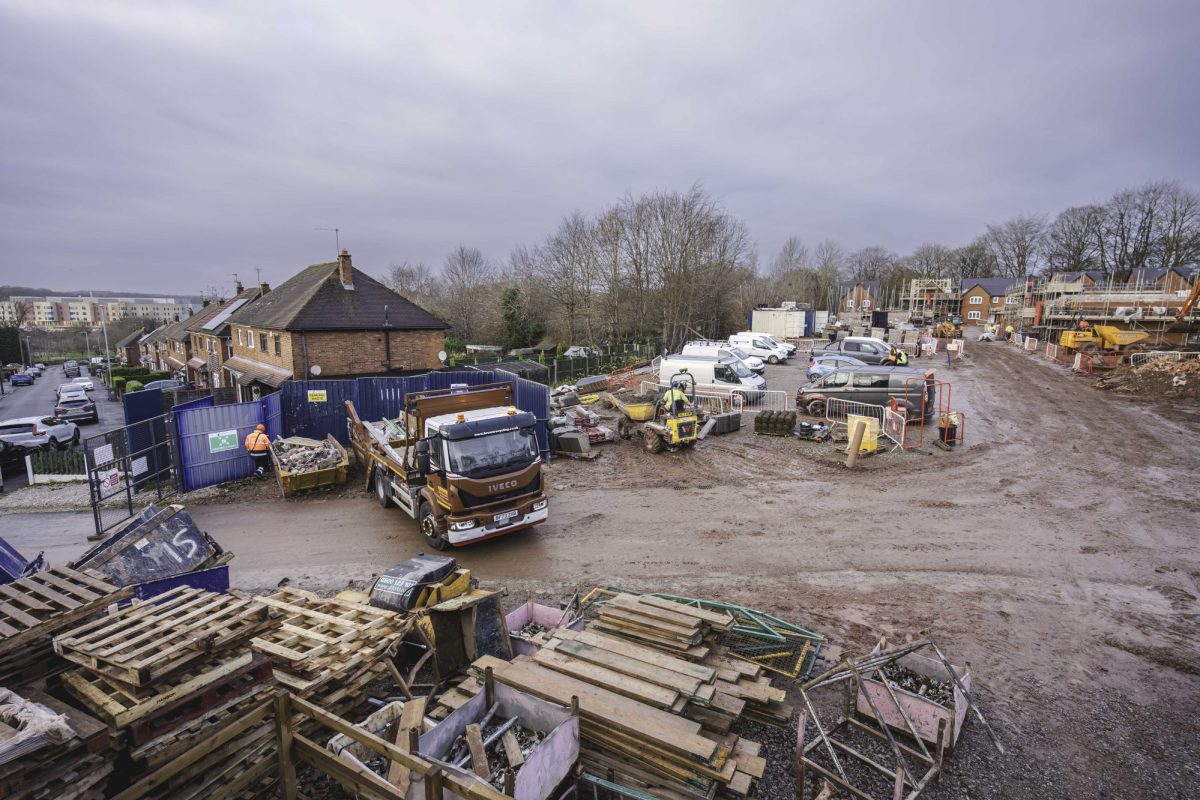
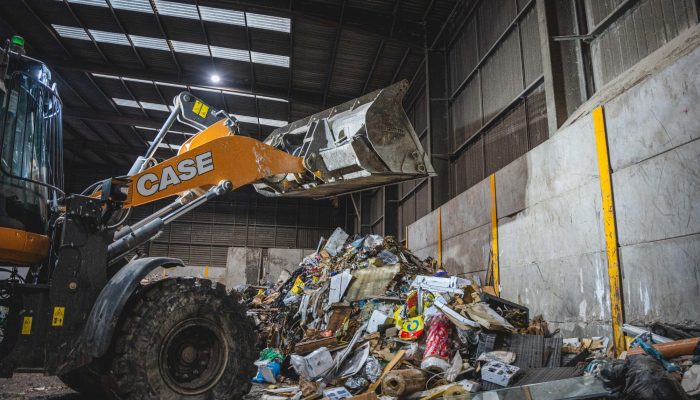
Construction waste refers to any waste material generated during construction, renovation, demolition, or site clearance activities.
Construction waste accounts for roughly 62% of the UK’s total waste generation, making it the country’s largest single waste stream by some distance. Managing construction waste effectively is vitally important, but it shouldn’t come with the headache of red tape and paperwork.
It’s important to know that when it comes to construction waste disposal, you are legally responsible for all materials generated on your job site until it reaches its final destination under the Waste (England and Wales) Regulations 2011. This applies to those that produce, import or export, transport, store, treat, or dispose of waste. If handled incorrectly, you could face a fine or a penalty from the Environment Agency.
However, as a site manager or independent contractor, your day is already full of ordering materials, managing your employees and trying to meet deadlines. The last thing you need to worry about is waste management. Here is a straightforward guide to what counts as construction waste, the compliance traps that catch builders out, and ways to keep your site compliant without the hassle.
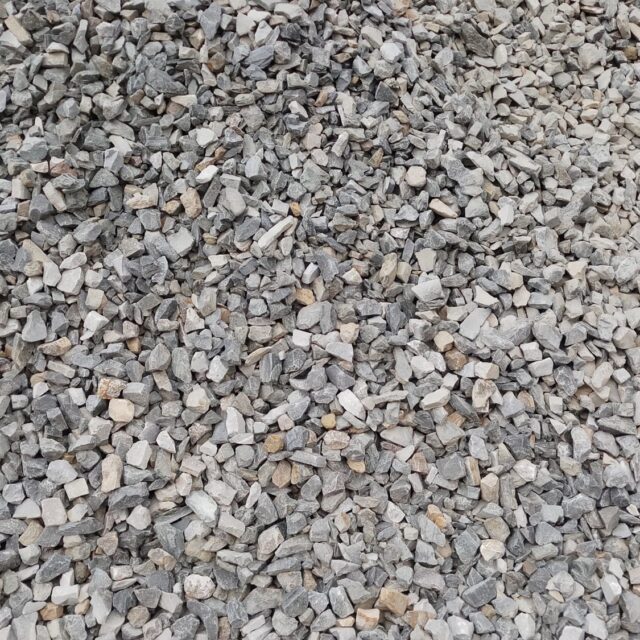
Construction waste includes both hazardous and non-hazardous waste streams, such as:
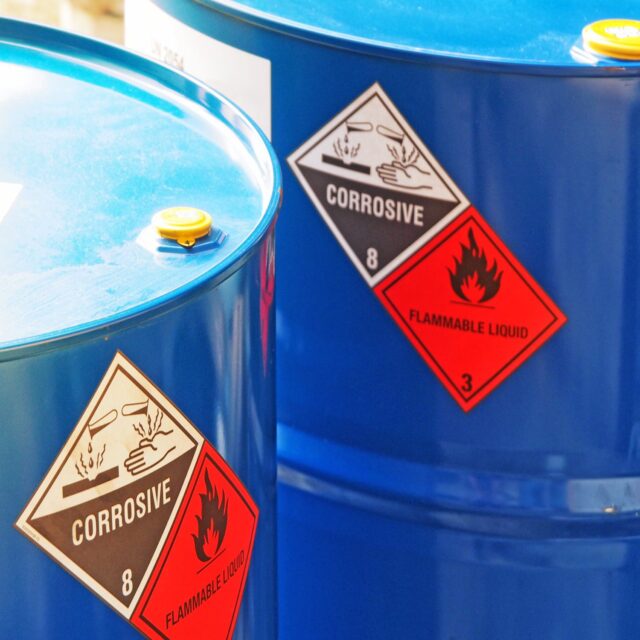
Whilst most construction waste streams can be recycled above including mixed construction, inert, groundworks and demolition waste, however, there are a few that may catch some builders out. If you are ever in doubt about the waste you have generated on site and unsure whether it falls under hazardous or non-hazardous, contact our specialist hazardous team. They will be happy to help.
Keeping up with regulatory changes can be challenging when you’re already managing a busy construction site. However, with waste management regulations becoming increasingly stricter, it’s essential for builders and site managers to stay informed. Failing to comply can result in avoidable costs, delays, fines, and reputational damage.
It’s not always easy to know which materials you need for each project, which is why it’s not uncommon for construction businesses to over order on materials. As sustainability becomes a greater focus across the sector, businesses are expected to take more responsibility for how they manage excess materials and waste.
Proper waste segregation is essential for maximising recycling rates, reducing disposal costs, and ensuring compliance with environmental regulations. Separating waste streams at source reduces contamination and fines and increases the amount of material that can be recycled or recovered. W
Common waste streams that should be generated include:
By failing to segregate any of these waste streams, it can lead to compliance issues and increased disposal costs. By storing and disposing of waste correctly, construction businesses can remain compliant, improve recycling rates, and support more sustainable waste management practices.
The most effective way to keep your construction site compliant is through a Site Waste Management Plan (SWMP). An SWMP documents how waste will be managed, stored, and disposed of, helping you plan ahead for your waste mitigation.
This document should be created during the earliest stages of the construction project and updated throughout its duration. It should cover details of the waste, including the type, volume, how it will be measured, the disposal disposed, and who will be responsible for it’s destruction.
To partner with an expert waste recycling provider operating across Staffordshire, Cheshire, and the Midlands, contact us today. Brown Recycling will help you become and remain a compliant construction business. Alternatively, if you already know your commercial waste requirements, simply use our FREE Quote Builder to receive a tailored waste quotation.
Regina is a digital content marketing specialist at Brown Recycling. Having spent almost four years at Brown Recycling, she has developed extensive waste management knowledge, with a particular focus on scrap metal. Away from the office, she enjoys going to gigs, keeping active at the gym and exploring new hiking routes.