Search our website
Call us FREE on
0808 196 6093
Open today 7am - 5pm
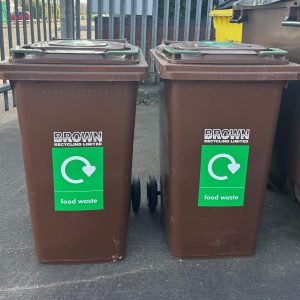
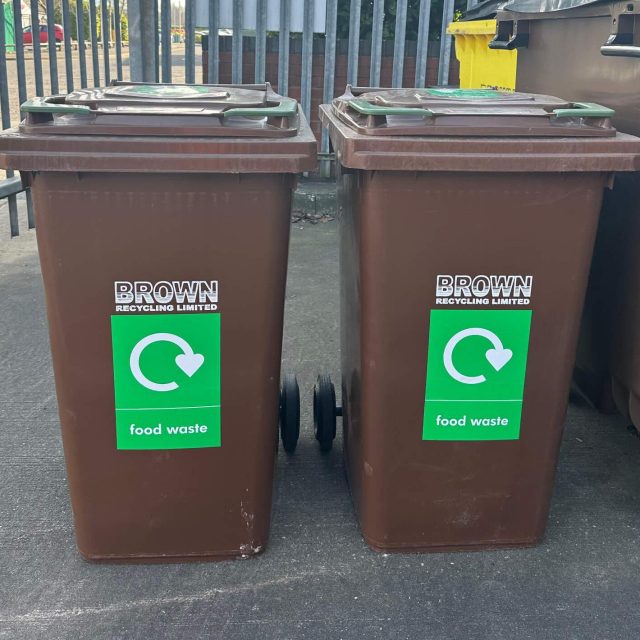
foodEach year in the UK, we waste millions of tonnes of food. According to the government, in 2021 we wasted 115.7kg per person, a figure that is down on numbers from the 00s but is still extremely wasteful in terms of the bigger picture for the environment.
With the Simpler Recycling rules putting food waste on the radar of many businesses this year, this is a good time to look at how food waste is recycled. We hope this encourages more businesses to take the time and effort to recycle for the good of the environment, with the help of a dedicated and trusted recycling partner such as Brown Recycling.
It’s worth taking the time to first understand the new UK legislation that is standardising recycling collections in England.
Under the Simpler Recycling legislation, if you operate a business with 10 or more full-time equivalent employees, you are now (as of March 2025) legally obligated to separate food waste from your general waste and recycling. Businesses with fewer than 10 full-time equivalent employees will need to comply with new food waste recycling rules from March 2027.
Need support with meeting the new food waste recycling regulations for your business? Contact our team at Brown Recycling to discuss your requirements and we’ll be happy to help.
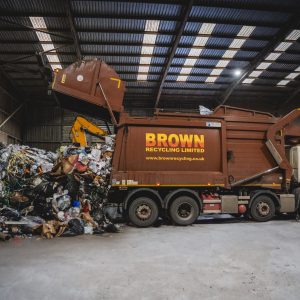
Your food waste is collected as part of the Simpler Recycling guidelines, but what happens to it once it leaves your site? Here’s a quick look at the food waste process:
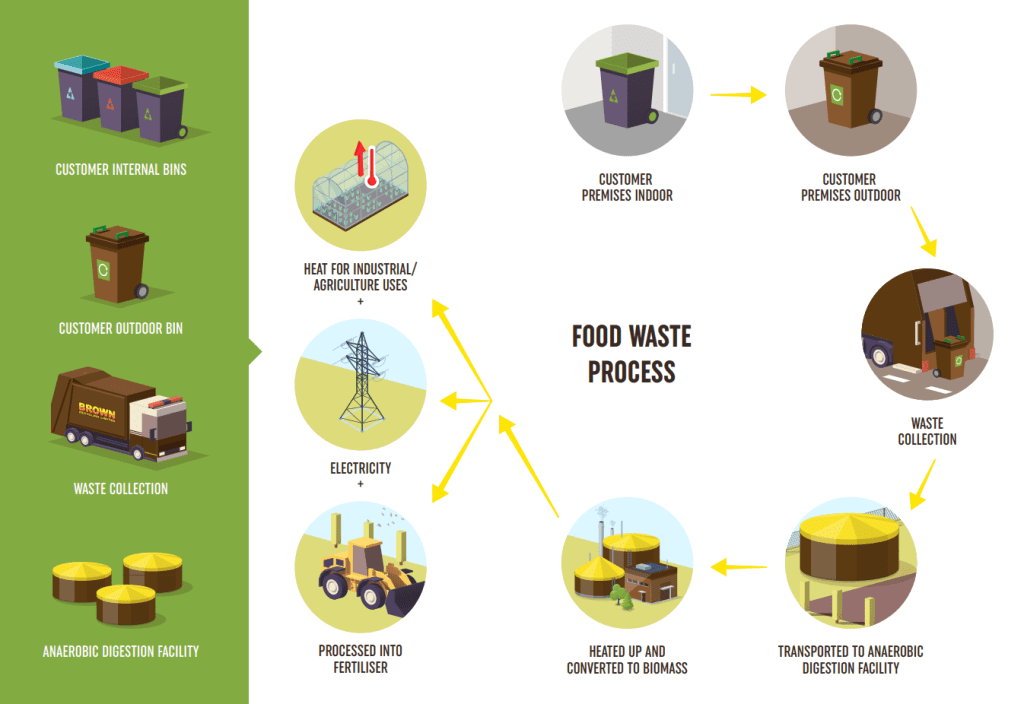
This process for tackling food waste is designed to create a closed-loop system where landfill sites are avoided, while nutrients and energy are recovered, benefiting the environment.
The byproducts of food waste recycling are numerous. With food waste processing at Brown Recycling, we’re helping to cut emissions from food decomposition, and by providing all of the benefits outlined below, boosting the UK’s net-zero ambitions:
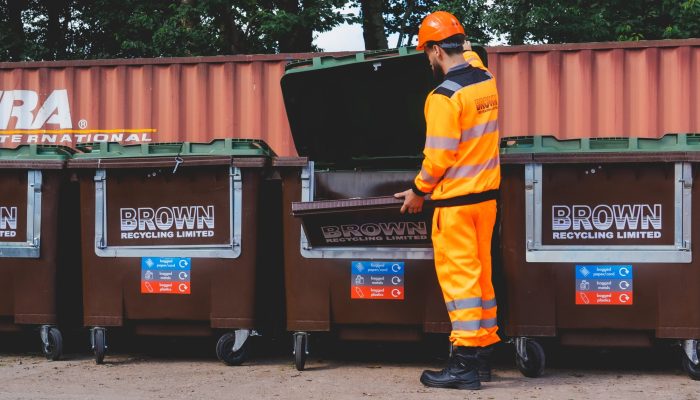
As a waste management business committed to sustainable food waste management and compliance, we are able to provide an expert commercial food waste collection service to businesses and commercial operations across Staffordshire and Cheshire and the Midlands. We have a zero-waste-to-landfill commitment and can help businesses in any sector, whether you own a hotel, a chain of restaurants or a food packaging plant.
Contact us today and set up your food waste collection to ensure you comply with new Simpler Recycling regulations.
Regina is a digital content marketing specialist at Brown Recycling. Having spent almost four years at Brown Recycling, she has developed extensive waste management knowledge, with a particular focus on scrap metal. Away from the office, she enjoys going to gigs, keeping active at the gym and exploring new hiking routes.