Search our website
Call us FREE on
0808 196 6093
Open today 7am - 5pm
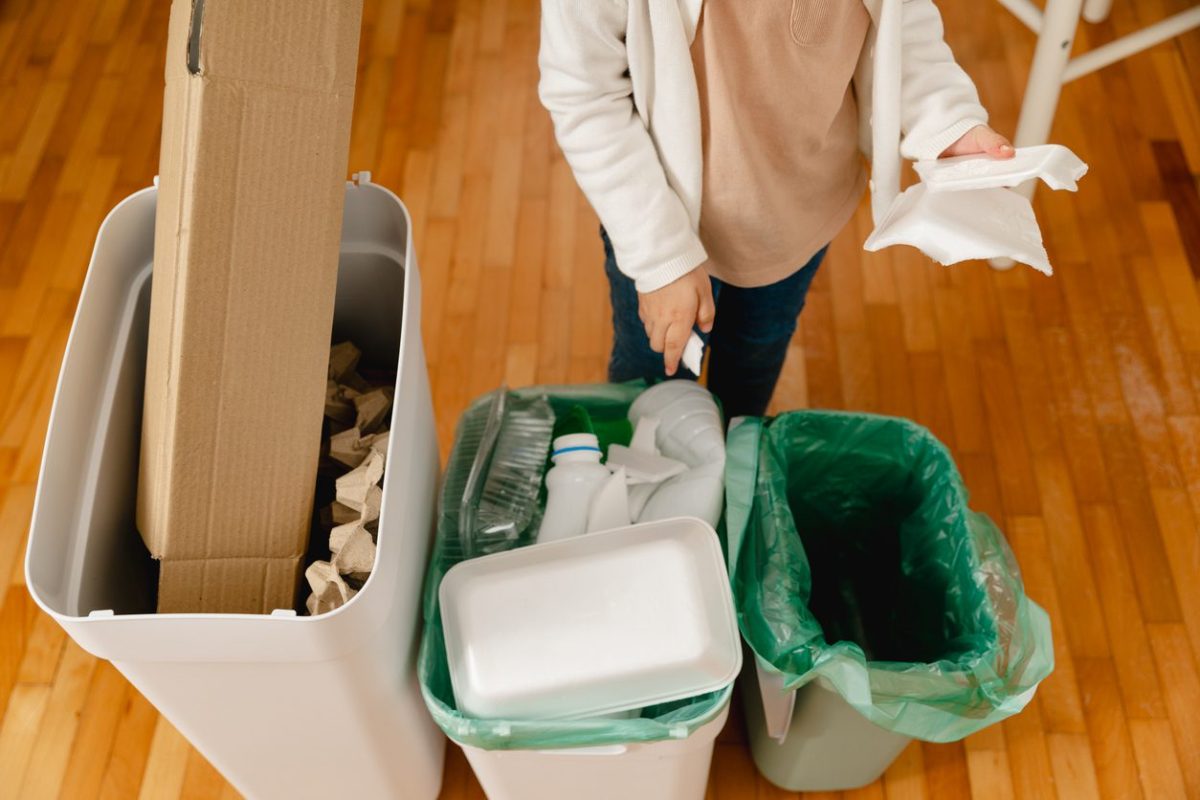
Wishcycling is a well-meaning but costly act where people place questionable items into their recycling containers, hoping they’ll be accepted, rather than taking steps to confirm if they’re actually recyclable.
At Brown Recycling, our commitment to responsible recycling for the local areas of Staffordshire, Cheshire and the Midlands means we want to help people maximise recycling wherever possible. That’s why we’re exploring the problem with wishcycling this month.
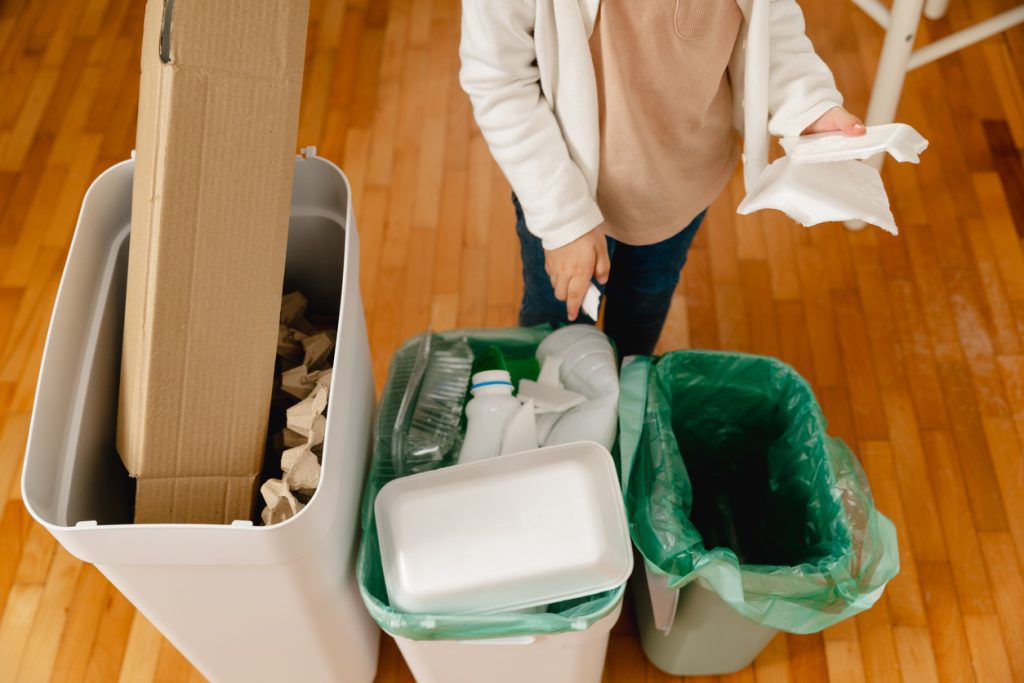
Over the last few years, the term ‘wishcycling’ has been popping up. This essentially means that people are putting non-recyclable or unclean items into recycling bins out of sheer optimism or confusion.
In short, people “wish” these items could be recycled, but they cannot.
The root cause of this trend is actually a combination of factors:
There are plenty of items that are commonly wishcycled, perhaps you’ve fallen afoul of a few of these yourself?
The main issue with wishcycling is that it can contaminate an entire load of recycling, which could lower the commodity value if the recycling stream is downgraded. Worse still, this can also divert perfectly good recyclable items towards landfill, creating unnecessary waste. The knock-on effect is that recycling targets are missed, putting additional strain on natural resources.
Items incorrectly placed in recycling can also damage sorting machinery, requiring repairs or manual picking to ensure that normal operations can proceed. For example, Pyrex dishes have a much higher melting point than recyclable glass, which can cause issues when put into regular recycling streams.
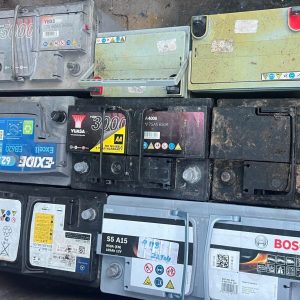
There are also safety hazards to consider, as any electronic waste containing batteries poses a fire risk. Incorrectly disposing of these items puts people’s lives in danger.
If you’re a business, organisation or homeowners looking to avoid wishcycling, what can you do?
Here are our tips:
Business:
At home:
Looking for a recycling partner with tailored trade waste collections, baling solutions and tailored recycling solutions?
At Brown Recycling, we offer everything you need to maximise your recycling efforts when dealing with business waste. Contact us today to book a free waste audit with our experienced team.
Jordan is a marketing professional with a degree in Broadcast Journalism and a CIM qualification in Professional & Digital Marketing. With over a decade of experience in B2B and B2C multichannel campaigns, Jordan has led projects across both digital and offline media. Outside of work, Jordan enjoys football, theatre, live music, and all things pop culture.