Brown Recycling Limited Logo
Search our website

Open today 7am - 5pm

How To Conduct a Waste Audit

  • Waste audits provide a clear picture of your waste streams, showing what materials are being discarded and how much could be recycled instead of going to landfill.
  • They can significantly reduce waste disposal costs
  • Waste audits help businesses prepare for Simpler Recycling legislation
  • Analysing waste can uncover issues such as excessive packaging, supplier inefficiencies, or poor stock management, helping businesses improve processes.

With UK businesses disposing of millions of tonnes of waste each year, the new Simpler Recycling rules have placed a spotlight on recycling efforts. And while they only apply to larger businesses right now, smaller businesses will also need to adhere to the same legislation next year.

But that means now is the best time to conduct a waste audit.

Many companies may not know what they’re throwing away week-to-week, or how they can make savings while becoming more environmentally efficient through recycling. This guide to waste audits is designed to help you understand the benefits and how to conduct your own, putting you in a positive position for the future.

What is a waste audit?

Waste audits offer a systematic approach to the sorting, assessing and recording of the waste your business generates over a given period. It tells you exactly what’s going into your bins, the different waste streams you generate, where it all comes from and how much of it could be recycled to reduce the amount being sent to landfill.

In our experience of working with businesses across the Midlands, we find that in their first waste audit they uncover multiple avenues for improving efficiency and cost savings.

Why should you do a waste audit?

Whether you operate in hospitality, manufacturing, construction or retail, a waste audit will help you find out what’s going into general waste bins and how much of that could be segregated at source. The benefits of this are numerous, and include:
  • Disposal cost reductions – Segregated recyclables are typically collected at a lower cost than general waste. Plus, with the landfill tax set to rise, now is the time to analyse your waste streams to redirect as much as possible to recycling.
  • Compliance with Simpler Recycling legislation – Last year, new legislation came into effect, requiring any business with 10 or more full-time equivalent employees to ensure segregation and separate collection of core recyclables and food waste. Micro businesses will also be required to follow the same legislation from 31st March 2027, so preparation ahead of this date will make the transition easier.
  • Improved environmental credentials – Many UK businesses are required to report on their environmental impact, and showing documented evidence of your diligence with waste can help to satisfy investors and fulfil procurement requirements.
  • Identification of internal inefficiencies – Mismanagement of your waste isn’t just about disposal issues; it could signal that there are inefficiencies elsewhere in the business. High volumes of certain packaging materials may prompt you to look at your suppliers, while excessive food waste might highlight changes in stock management.

How To Conduct a Waste Audit

How to prepare for a waste audit

Once you’ve arranged for a waste audit to be undertaken, it’s time to prepare so that you can extract the most actionable data. Here are the key steps to follow:
Set your scope and timeframe – Decide which areas of the business to include and the dates.

  1. Assign someone to the audit – If you run an internal audit, you’ll need someone to lead this, but when you choose an external audit from Brown Recycling, our team can help arrange all the necessary equipment and paperwork.
  2. Perform a risk assessment – Ensure that you have consulted your health and safety manager as part of this, and be sure you’ve considered all the possible risks involved to mitigate them before moving forward.
  3. Brief your staff – Let them know what’s happening and why. They will need to follow their ordinary procedures in order for you to analyse the current processes.
  4. Collate current waste contracts and invoices – Pull together your current waste disposal documentation, ready for review.

How to conduct a waste audit

Now you’ve completed your preparation, here’s how to run the audit itself. How long it takes will depend on the size of your operations and the window of time you’re auditing, but these steps cover the general flow:

  1. Collect and set waste aside in a designated space.
  2. Organise the waste in the categories according to how it was initially disposed of, regardless of whether it was in recycling or general bins.
  3. Next, sort the waste into your defined categories; consider contaminated waste and where it could go if separated to prevent contamination.
  4. Assess each category or container, recording the percentage of waste type, the date and any observations about unexpected contamination.
  5. Photograph your waste piles so they can be used as visual evidence when presenting your findings.
  6. Be consistent with your audit across the days, as you can only see spikes if you track regularly in your defined period.

It may sometimes be difficult to identify all of the potential improvements and best practices for your business. You may find it more practical to engage with our team, as we are always on hand to provide a free site audit for large commercial operations.

How to calculate your results

You’re almost ready to get meaningful results from your audit, but first, you need to calculate the results.

The best way to do this is to take the percentages across all categories or individual bins to achieve a total. You can then express each category – cardboard and paper, plastic, food waste, etc. – as a percentage of that overall total to find out which materials your business disposes of most and whether it’s going in the right containers.

With this data, you will be able to calculate how much waste you could potentially be recycling versus what you actually recycle. From this, you could also calculate with your waste management provider how much you could save if your recycling rates were improved. Your final numbers can also help you to ensure you have the right containers to help you recycle efficiently.
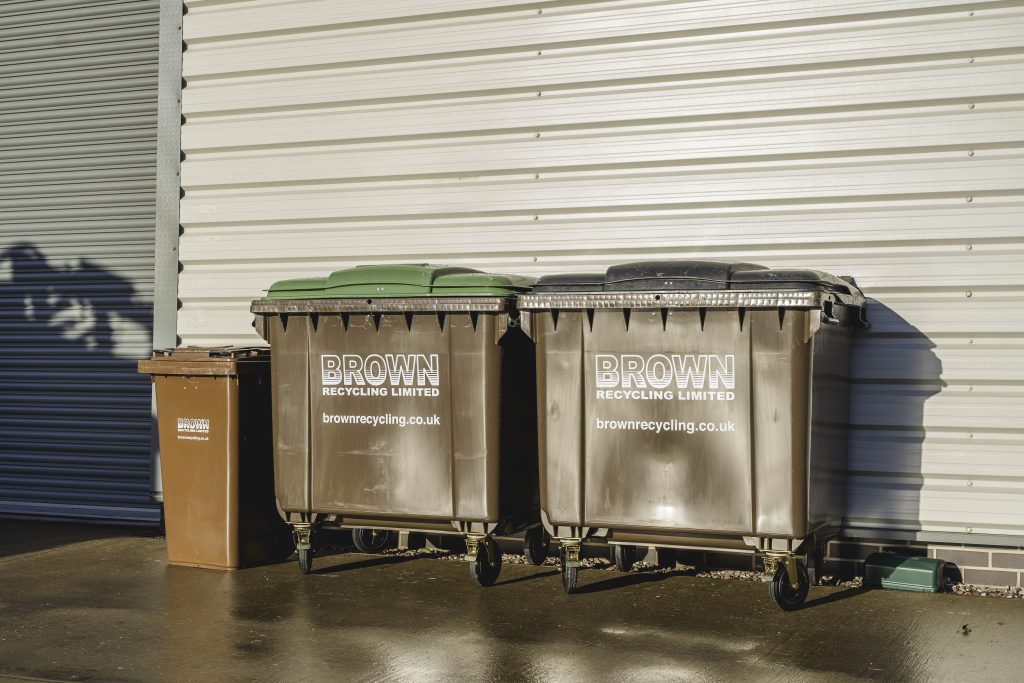
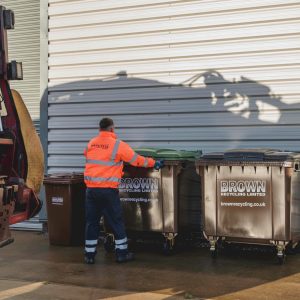
browns recycling brown bins

Get in touch with Brown Recycling for a free waste audit

As one of the most straightforward and positive things your business can do to understand and reduce waste costs, we highly recommend a waste audit. And you don’t have to do it alone.

Contact us today at Brown Recycling for a comprehensive waste audit with innovative solutions at your site. There’s no obligation, and we won’t apply sales pressure, just clear and honest advice for your business wherever you are in Staffordshire, Cheshire and the Midlands.

Author

Regina Csonka

Regina is a digital content marketing specialist at Brown Recycling. Having spent almost four years at Brown Recycling, she has developed extensive waste management knowledge, with a particular focus on scrap metal. Away from the office, she enjoys going to gigs, keeping active at the gym and exploring new hiking routes.
How To Conduct a Waste Audit
Want to find out more about our trade waste collections services?
Click here to find out more about how we can help.
Want to find out more about our recycling services?
Click here to find out more about how we can help.
Want to find out more about our waste management services?
Click here to find out more about how we can help.
Related Posts
Top