Search our website
Call us FREE on
0808 196 6093
Open today 7am - 5pm
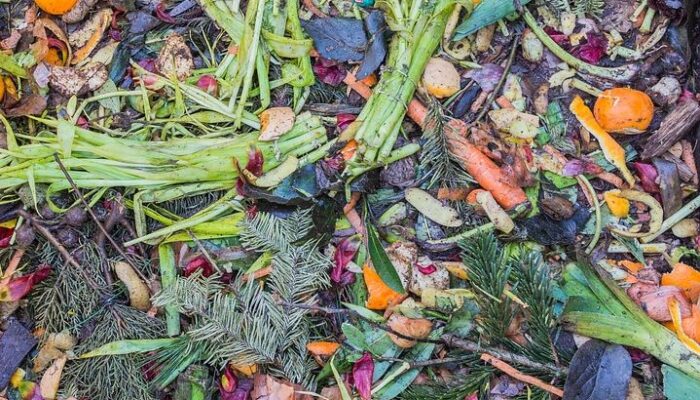
Biodegradation is the breakdown of organic matter by microorganisms, such as bacteria and fungi. How long this process takes will vary hugely depending on the item, which is why recycling materials which resist the process, such as glass and plastic, is so important.
To put into context just how important, let’s take a look at how long some of these materials take to biodegrade.
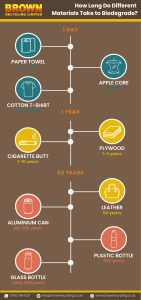
A paper towel takes around 2-4 weeks to biodegrade. Given that this is shorter than most fruit and veg, it’s easy to see why paper towels needn’t be recycled.
It might surprise you to learn that apple cores can take as long as two months to properly decompose. The flesh around the core is much more resilient than you might think.
A cotton t-shirt will take around 2-5 months to biodegrade. A polyester mix t-shirt, on the other hand, can take anywhere between 20 and 200 years to biodegrade, depending on the blend.
An engineered wood crafted from multiple layers of thin veneer, plywood takes around 1-3 years to properly biodegrade.
Despite its size, a cigarette butt can take up to 10 years to fully biodegrade. Given that around 18 billion cigarettes are sold every day, this is a frightening statistic.
Although a natural material, leather can take up to 50 years to biodegrade. This is simply due to the way that the leather is treated during the production process.
This is where things start a little more alarming. An aluminium can take around 6 weeks to manufacture, but it can take up to 200 years to biodegrade.
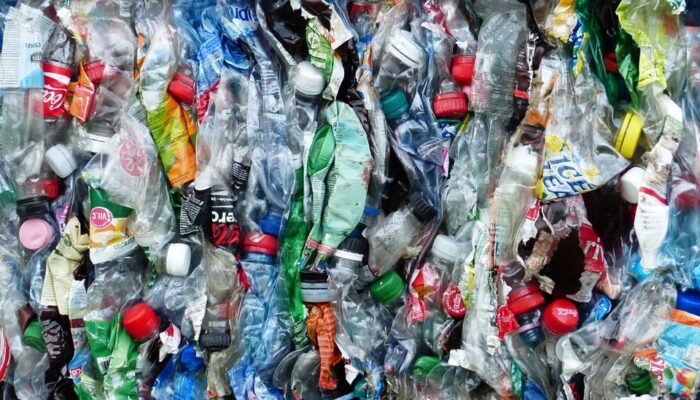
In the UK alone, over 1.7 million tonnes of plastic is produced each year, and a single plastic bottle will take around 500 years to fully decompose. However, only 30% of that plastic is actually recycled.
While you might have thought that plastic was the most resistant material to biodegradation, it’s in fact glass. A glass bottle could take up to 1,000,000 years to properly biodegrade. Here’s some perspective: by that time, the Great Pyramid of Giza will have also eroded.
To avoid the years and decades of time needed for these materials to biodegrade, the answer is to reuse, recycle and repurpose them, preventing them ending up in landfill.
With the new Simpler Recycling regulation coming into effect in England, and already in place in Wales, there is a renewed focus on recycling core materials such as paper, cardboard, glass, cans, plastic and food and maximising the many environmental benefits this provides.
At Brown Recycling we provide total waste management and recycling services across Staffordshire, Cheshire and the Midlands, reducing the waste sent to landfill with our zero to landfill target.
To learn more about all the materials we can recycle and how our services could benefit you, simply contact our professional team today or visit the Recycling section on our website.
Jordan is a marketing professional with a degree in Broadcast Journalism and a CIM qualification in Professional & Digital Marketing. With over a decade of experience in B2B and B2C multichannel campaigns, Jordan has led projects across both digital and offline media. Outside of work, Jordan enjoys football, theatre, live music, and all things pop culture.